Phantasmagoria

Definition and stakes

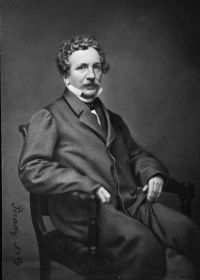
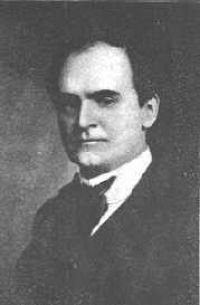
Portrait of Johan Huizinga Johan Huizinga,  The Waning of the Middle Ages (1924)

“ But, generally speaking, popular phantasmagoria is full of angels, devils, shades of the dead, white women, but not of saints. Stories of apparitions of particular saints are, as a rule, suspect of having already undergone some ecclesiastical or literary interpretation. To the agitated beholder a phantom has no name and hardly a shape. ”
Source: Wikisource

Martin Quigley,  Magic Shadows: The Story of the Origin of Motion Pictures

“ For Phantasmagoria the images—regularly ghosts—were projected not on a screen but on smoke, a factor which naturally contributed to the weird effects.
Phantasmagoria was most popular in Paris in the late 1790s, probably as some kind of a psychological reaction to the horrors76 of the French Revolution. Men and women of the day thought much of death, ghosts and the like.
The basic idea for combining motion illusions successfully with the magic lantern is traced directly to Musschenbroek. The use of smoke for a screen goes back to the ancient practitioners of light and shadow trickery.
”
Source: Gutenberg

Get perspective with Kwize: daily news enlightened by great literature