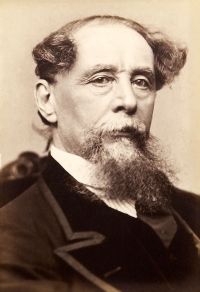
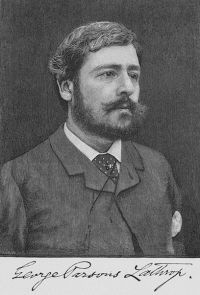
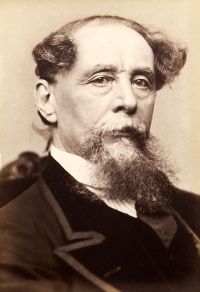
Smoke, a fleeting byproduct of combustion, has long functioned as a metaphor for impermanence, ambiance, and human endeavor in literature. From Charles Dickens’ evocative portrayal of “reluctant smoke” lingering in a cold room to Edna Brush Perkins’ depiction of industrial fumes blending with clouds, writers have employed it to evoke mood, setting, and existential contemplation.
Whether as a domestic feature—such as the “light fleece” of chimney fumes in Charles S. Brooks’ prose—or as a symbol of ritual, as in A. McAllister’s description of tobacco offerings, smoke connects the physical and the symbolic. Its appearance in narratives, from arid landscapes to city fog, highlights its adaptability in shaping human experience, linked to themes of flame, warmth, and ephemerality.