“ Each lung is free in all directions, except at the root, which consists chiefly of the bronchi, arteries and veins connecting the lungs with the trachea and heart. The lungs are spongy and porous, and their tissues are very elastic. They are covered with a delicately constructed but strong sac, known as the pleural sac, one wall of which closely adheres to the lung, and the other to the inner wall of the chest, and which secretes a fluid which allows the inner surfaces of the walls to glide easily upon each other in the act of breathing. ”
Lung
Definition and stakes
The lung, a crucial organ of the respiratory system in air-breathing animals, enables gas exchange by oxygenating blood and removing carbon dioxide. Located in the thoracic cavity, it consists of spongy, elastic tissue divided into lobes and alveoli, promoting effective respiration.
Authors such as Yogi Ramacharaka emphasized the role of the pleural sac in minimizing friction during breathing, while Robert Alexander Craig focused on the lobular structure and gas exchange occurring at the alveolar level. Edwin Gordon Lawrence observed human lung capacity and its limited use in typical breathing. These viewpoints together highlight the lung’s anatomical intricacy, functional importance, and vulnerability to disease, underscoring its essential role in maintaining life.
Quotes about “lung”
Robert Alexander Craig, Common Diseases of Farm Animals
“ The lungs are the essential organs of respiration. The tissue that forms them is light, will float in water, is elastic and somewhat rose-colored. Each lung is divided into lobes, and each lobe into a great number of lobules by the supporting connective tissue. The lobule is the smallest division of the lung and is formed by capillary bronchial tubes, air cells and blood-vessels. It is here that the external respiration or the exchange of gases between the capillaries and the air cells occurs. ”
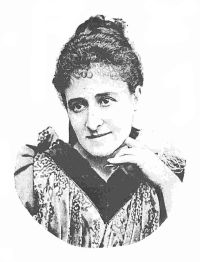 Ada S. Ballin,
Science of Dress
(1885)
Ada S. Ballin,
Science of Dress
(1885)
“ When the action of the lungs is seriously impeded, as in the case of lung diseases, the skin becomes colourless and waxy, and the vessels near the surface, especially those round the eyes, show a blue tinge, due to insufficient oxygenation of the blood. ”


Related terms
Authors who wrote about “lung”
Calvin Cutter Yogi RamacharakaR. J. M. Buchanan
 Herman LeRoy FairchildWilliam HarveyRay Vaughn PierceAlbert F. BlaisdellJacob HartmannAnnette FiskeAda S. BallinEdwin Gordon LawrenceRobert Alexander CraigFrank Overton
 William Walker Atkinson
 Vernon L. Kellogg
 Maria MontessoriEdith M. PatchAlbert H. BuckJ. H. Craven
 Henry Drummond
Yogi RamacharakaR. J. M. BuchananHerman LeRoy FairchildWilliam HarveyRay Vaughn PierceAlbert F. BlaisdellJacob HartmannAnnette FiskeAda S. BallinEdwin Gordon LawrenceRobert Alexander CraigFrank OvertonWilliam Walker AtkinsonVernon L. KelloggMaria MontessoriEdith M. PatchAlbert H. BuckJ. H. CravenHenry Drummond