Inhalation

Definition and stakes

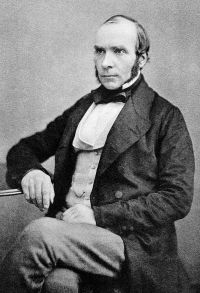
Portrait of John Snow John Snow,  On chloroform and other anæsthetics… (1858)

“ INHALATION OF CHLOROFORM, ETC. GENERAL REMARKS ON INHALATION. Inhalation is simply the act of breathing, or at least so much of it as consists of inspiring, or drawing the air into the lungs. The term is usually applied when any medicinal substance is added to the air which the patient breathes, and the process is altogether different from that called “smoking,” as practised by the nations of western Europe and of America, where the fumes of tobacco are merely drawn into the mouth and puffed out again. ”
Source: Gutenberg

Project Gutenberg,  The Project Gutenberg Encyclopedia…

“ The air, however, may be modified in composition or in temperature. Inhalation is the most common and successful method of applying it—when modified in composition—to the human body. The methods in use are as follows: (1) Inhalation of gases, as oxygen and nitrous oxide. The dyspnoea and cyanosis of pneumonia, capillary bronchitis, heart failure, &c., are much relieved by the inhalation of oxygen; and nitrous oxide is largely used as an anaesthetic in minor operations; (2) Certain liquids are used as anaesthetics, which volatilize at low temperatures, as chloroform and ether. ”
Source: Gutenberg

A system of practical medicine…

“ Should a steam apparatus be employed, the patient should remain housed for half an hour after inhalation, except in very warm weather. In cases of hyperæsthetic mucous membrane the home inhalation of volatile remedies daily is often useful. Compound tincture of benzoin, camphorated tincture of opium, oil of pine, oil of turpentine, terebene, eucalyptol, creasote, carbolic acid, may be inhaled from a bottle containing hot water or from a special inhaler, a few drops of chloroform being advantageously added when there is a good deal of irritative cough. ”
Source: Gutenberg

Get perspective with Kwize: daily news enlightened by great literature