Asthma

Definition and stakes

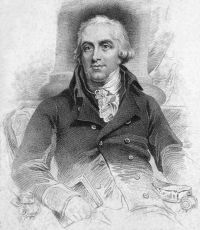
Henry Congreve,  Consumption Curable: Observations on the Treatment of Pulmonary Diseases

“ There are two distinct kinds of Asthma—one of which is denominated nervous or convulsive—the latter is not the disorder so prevalent in this country as the former. The true Asthma is a laborious breathing, wheezing, sense of suffocation, attended by anxiety, cough, and mucus expectoration. It is very frequent; and no disease is more distressing to the patient.
Asthma is a disease which usually attacks elderly people; and those who are subject to it, have frequent returns—for all the methods in common use are calculated only to promote relief in the present fit, not to produce a lasting cure.
”
Source: Gutenberg

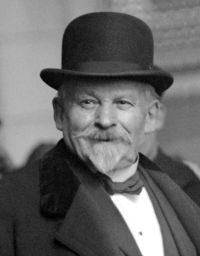
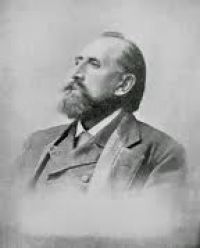
Portrait of Felix Leopold Oswald Felix Leopold Oswald,  Popular Science Monthly (1883)

“ For the chief danger of chronic asthma is the probability of serious pathological complications. The direct result of dyspnœa is the impoverishment of the blood by an impeded process of aeration, and the concomitants of the disease are therefore analogous to those of pulmonary phthisis and protracted in-door life—hypertrophy of the heart, emphysema, or swelling of the lungs, inflammation of the bronchi, dropsical swellings of the extremities. ”
Source: Wikisource

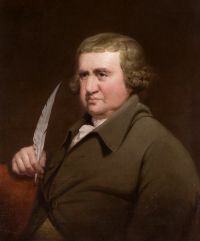
Portrait of Erasmus Darwin Erasmus Darwin,  Zoonomia; Or, the Laws of Organic Life…

“ One lady I knew, who for many years laboured under an asthma, which ceased on her being afflicted with pain, swelling, and distortion of some of her large joints, which were esteemed gouty, but perhaps erroneously. And a young man, whom I saw yesterday, was seized with asthma on the retrocession, or ceasing of eruptions on his face.
The convulsive asthma, as well as the hydropic, are more liable to return in hot weather; which may be occasioned by the less quantity of oxygen existing in a given quantity of warm air, than of cold, which can be taken into the lungs at one inspiration.
”
Source: Gutenberg

Get perspective with Kwize: daily news enlightened by great literature