Exhalation

Definition and stakes

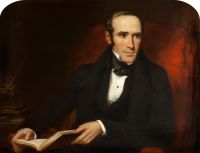
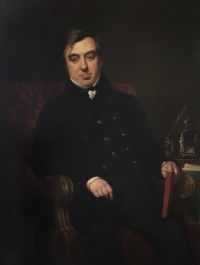
S. Baring-Gould,  Curiosities of Olden Times

“ Cohausen, “consists of an inhalation and an exhalation: and if I speak scientifically, I say that when man breathes he lets forth the thick and thin airs through his mouth and nostrils, which he had before received into his lungs, where they had become impregnated with the evaporations from his body, the subtilised watery particles and vitalising blood, the balsamic and sulphuric atoms. Wherefore the human breath when outside the spiracles has a material character, namely, an exhalation from the vapours and gases which are intermixed with the blood and sap of the human body ”
Source: Gutenberg

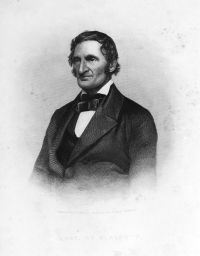
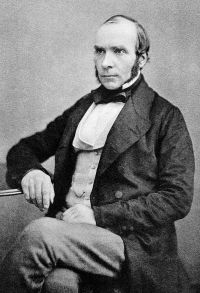
Portrait of Xavier Bichat Xavier Bichat,  Physiological Researches on Life and Death

“ The deficiency of cutaneous exhalation in the last moments of life may contribute a little perhaps to the preservation of animal heat; but we have shown that there are other more powerful causes for this phenomenon. This deficiency of exhalation united to the inaction of the secretory organs, in the very short period in which the black blood runs in the arteries is an altogether insufficient cause to explain the abundance of blood that is found in the vessels of those who have died of asphyxia. ”
Source: Gutenberg

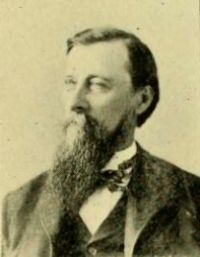
Ira Mayhew,  Popular Education

“ Pulmonary exhalation is, in fact, one of the chief outlets of waste matter from the system; and the air we breathe is thus vitiated, not only by the subtraction of its oxygen and the addition of carbonic acid gas, but also by animal effluvia, with which it is loaded when returned from the lungs. In some individuals this last source of impurity is so great as to render their vicinity offensive, and even insupportable. It is this which gives the disagreeable, sickening smell to crowded rooms. The air which is expired from the lungs is rendered offensive by various other causes. ”
Source: Gutenberg

Get perspective with Kwize: daily news enlightened by great literature