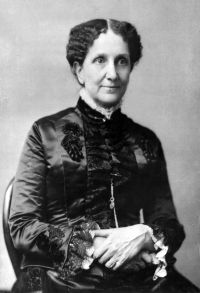
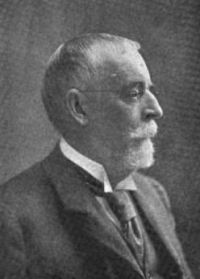
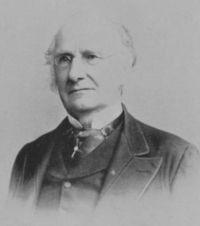
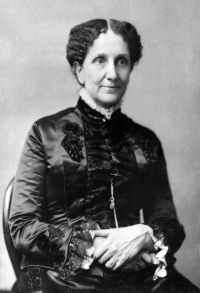
Health, broadly defined, encompasses physical, mental, and social well-being, going beyond the simple absence of illness. The World Health Organization (WHO) redefined health in 1948 as a state of full physical, mental, and social well-being, highlighting its dynamic role as a resource for life. Authors have long examined health’s multifaceted nature: Mary Baker Eddy connected it to spiritual and mental strength, claiming that illness stems from thought, while J.D.
Koogle viewed health as life itself, describing it as fundamental to human ability and enjoyment. James Allen also argued that health is grounded in thought, emphasizing the connection between mind and body. These viewpoints illustrate health’s complexity, merging personal initiative, societal frameworks, and environmental influences, as noted by the WHO’s attention to factors such as lifestyle and social circumstances. Health, therefore, appears as both an individual endeavor and a shared obligation, shaped by resilience, decision-making, and systemic impact.
 Mary Baker Eddy,
Science and Health with Key to the Scriptures
(1906)
Mary Baker Eddy,
Science and Health with Key to the Scriptures
(1906)