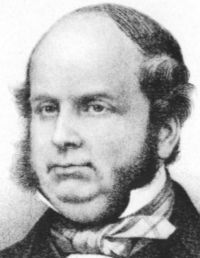
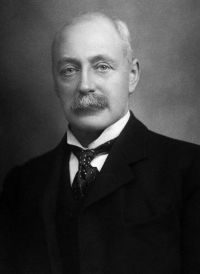
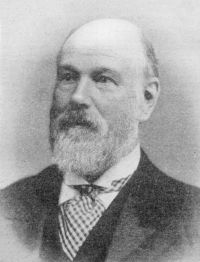
Anatomy, derived from the Greek anatome, meaning "dissection," is the scientific examination of the structure of living organisms, including their external and internal forms, as well as the interactions between organs and tissues. With origins in ancient practices, it has developed through dissection, imaging technologies, and cross-disciplinary links with physiology, embryology, and medicine. Scholars such as Arthur Hensman stressed its crucial role in medical education, connecting it to clinical practice and surgical accuracy.
Thomas Henry Huxley emphasized its relationship with physiology, observing how anatomical insights into structure enhance functional comprehension. William Harvey’s emphasis on empirical dissection highlighted its essential role in uncovering biological mechanisms, while A. T. Still contended that anatomy alone is sufficient for practical medical application. These viewpoints together illustrate anatomy as a dynamic link between structure and function, influencing both historical and contemporary approaches to understanding life.