Fatigue, in materials science, refers to the gradual weakening and eventual fracture of a material subjected to repeated cyclic stress, beginning with microscopic cracks that expand until structural failure occurs. This phenomenon, seen in metals, composites, and ceramics, encompasses phases of crack initiation, propagation, and final breakdown, shaped by elements such as stress level and environmental factors.
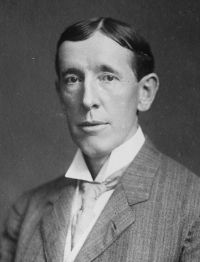
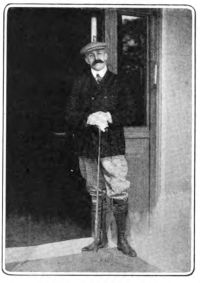
In literature, writers like Jack London and Alexandre Dumas have examined fatigue as a human condition, portraying its physical and emotional strain through depictions of exhaustion, tiredness, and the battle against unending effort. Whether in material deterioration or human perseverance, fatigue highlights the cumulative effect of ongoing pressure, illustrating a widespread theme of endurance and unavoidable decline.
 Jack London,
Smoke Bellew
(1912)
Jack London,
Smoke Bellew
(1912)