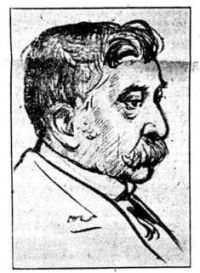
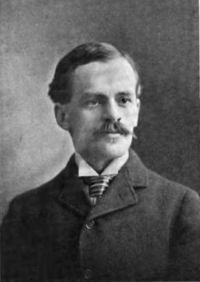
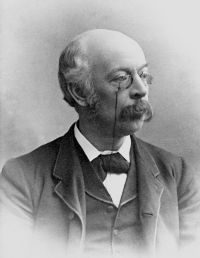
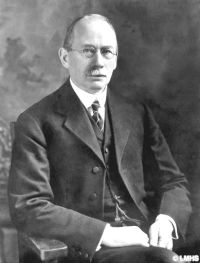
Cognition refers to the mental processes involved in gaining knowledge through thought, experience, and the senses, including perception, memory, reasoning, and decision-making. This topic has been examined by philosophers and psychologists such as Immanuel Kant, who focused on the interaction between intuition and concepts in the formation of knowledge, and George Edward Moore, who connected cognition with the conscious appreciation of beauty.
James Frederick Ferrier viewed cognition as a dual relationship between subject and object, while Karl Rosenkranz emphasized its function in differentiating human thought from animal perception. These differing perspectives highlight cognition's role as a link between sensory experience and abstract reasoning, bridging various domains from neuroscience to philosophy. The combination of these viewpoints illustrates cognition as both a fundamental mechanism for comprehending reality and a continually evolving area of study across multiple disciplines.
 Karl Rosenkranz,
Pedagogics as a System
Karl Rosenkranz,
Pedagogics as a System