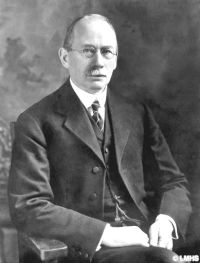
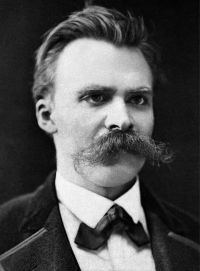
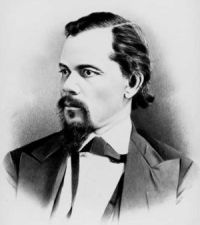
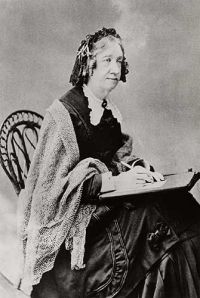
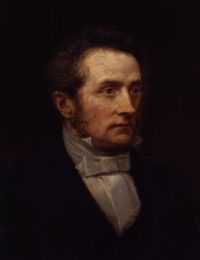
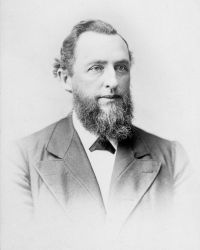
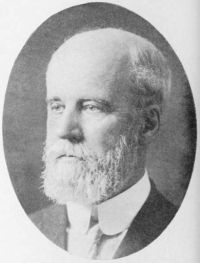
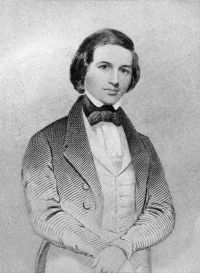
Purpose, defined as the intention behind an action, has long been a central theme in philosophical inquiry, especially within teleology and the philosophy of history. From Victor Mapes' existential question about life's "great, everlasting scheme" to Josiah Royce's ethical interpretation of purpose as a reasoned will, writers have examined it as both a guiding influence and an essential element of existence.
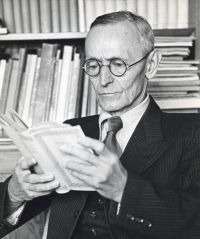
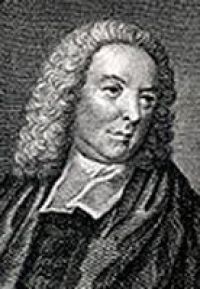
Hermann Hesse places purpose within the structure of reality itself, while Edward Young connects it to determined action. These viewpoints highlight a contrast between those who perceive purpose as a higher design and those who accept its uncertainty, illustrating its dual function as both a human aspiration and a philosophical mystery.
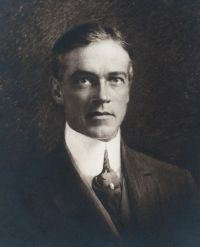 Victor Mapes,
Heart and Soul by Maveric Post
Victor Mapes,
Heart and Soul by Maveric Post