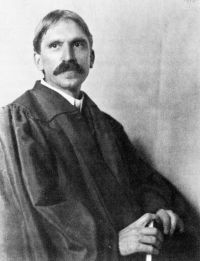
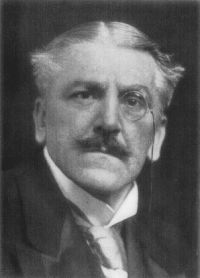
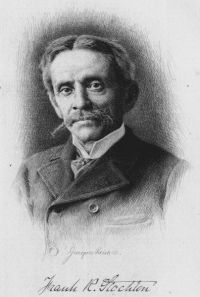
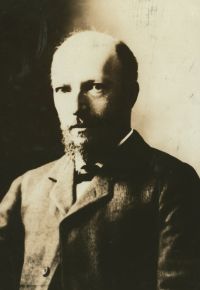
Interest, an emotion directing attention toward objects or ideas, has been examined across disciplines and literatures. Psychologically, it is expressed through physiological indicators such as pupil dilation, as observed in brain-computer interfaces measuring implicit attention. In literature, John Dewey associated interest with purposeful action, while Henry James described it as a sign of personal identity.
Walt Whitman poetically suggested that engaging with interest is inherently aligned with existence. Meanwhile, Adam Smith’s socio-economic theories emphasized how individual pursuits can unintentionally benefit the collective. These diverse viewpoints illustrate interest as both a psychological impulse and a framework for understanding human motivation and societal interactions.
 William Jennings Bryan,
The World's Famous Orations
(1906)
William Jennings Bryan,
The World's Famous Orations
(1906)