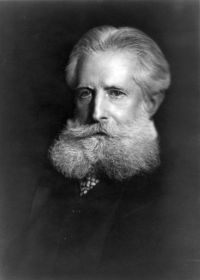
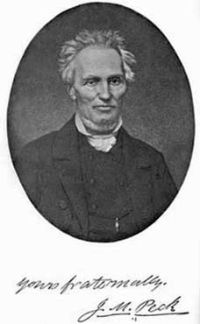
Land, defined as the solid, dry surface of Earth not permanently submerged by water, includes continents, islands, and varied landscapes shaped by geological and climatic forces. From H.G. Wells’ depiction of a “level land glittering with strange buildings” to John Platts’ admiration for “stupendous mountains” and Thomas Steele’s portrayal of a “lonely land” beneath an open sky, writers have long portrayed land as both a physical reality and a symbolic backdrop.
Whether as a setting for human activity, natural majesty, or environmental vulnerability, land continues to be central to stories of survival, change, and coexistence, highlighting its dual function as a basis for life and a reflection of Earth’s evolving history.
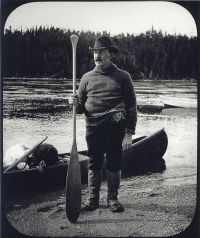 Dillon Wallace,
Bobby of the Labrador
Dillon Wallace,
Bobby of the Labrador