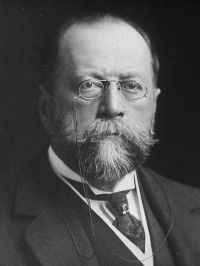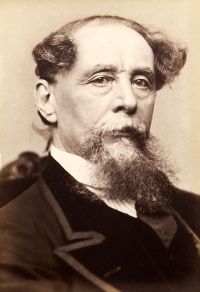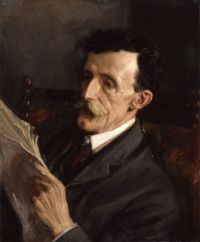
Frederic William Maitland

Biographical details

Portrait of Frederic William Maitland Frederic William Maitland The Cambridge Modern History, Volume 2… (1904)

And so the French troops were deported from Scotland and the English army came home from a splendid exploit. The military display, it is true, had not been creditable; there had been disunion, if no worse, among the captains; there had been peculation, desertion, sheer cowardice. All the martial glory goes to the brave besieged. But for the first time an English army marched out of Scotland leaving gratitude behind. Perhaps the truest victory that England had won was won over herself.
Source: Wikisource

Portrait of Frederic William Maitland Frederic William Maitland Domesday Book and Beyond: Three Essays in the Early History of England

In what sense can a crime be a custom? In a fiscal sense. A crime is a source of revenue. In what sense should we wish to have our land free of crimes, free even, if this be possible, of larceny and homicide? In this sense:—we should wish that no money whatever should go out of our land, neither by way of rent, nor by way of tax, rate, toll, nor yet again by way of forisfactura, of payment for crime committed.
Source: Gutenberg

Portrait of Frederic William Maitland Frederic William Maitland English Law and the Renaissance

Standing at the beginning of a century and in the first year of Edward VII, thinking of the wide lands which call him king, thinking of our complex and loosely-knit British Commonwealth, we cannot look into the future without serious misgivings. If unity of law—such unity as there has been—disappears, much else that we treasure will disappear also, and (to speak frankly) unity of law is precarious. The power of the parliament of the United Kingdom to legislate for the colonies is fast receding into the ghostly company of legal fictions.
Source: Gutenberg

Get perspective with Kwize: daily news enlightened by great literature