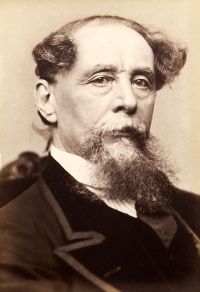
The concept of "hide" encompasses both the physical material obtained from animal skins and its metaphorical use in literature to signify concealment, secrecy, or transformation. Authors such as Nathaniel Hawthorne explored its symbolic resonance, portraying concealed truths and moral shadows in works like Twice-Told Tales, while Charles Dickens evoked its darker implications in Master Humphrey’s Clock, describing secret crimes lurking in urban shadows.
Oscar Wilde, in Ballad of Reading Gaol, associated it with existential despair, framing concealment as both a physical and psychological act. Meanwhile, James Frazer’s anthropological studies in The Golden Bough linked hide to ritualistic safeguarding, highlighting its cultural significance. These varied perspectives reveal "hide" as a multifaceted motif bridging materiality and metaphor, reflecting humanity’s enduring fascination with obscuring and revealing reality.
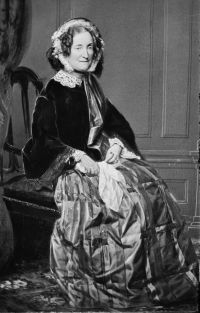 Lydia Sigourney,
Moral Pieces in Prose and Verse
(1815)
Lydia Sigourney,
Moral Pieces in Prose and Verse
(1815)