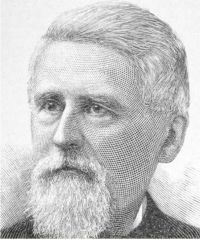
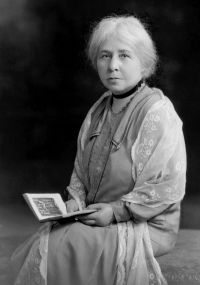
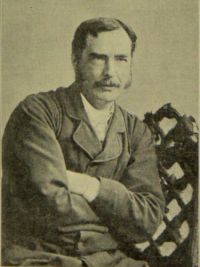
Witchcraft, the belief in and practice of supernatural harm through magic, has endured across cultures and eras, often reflecting societal anxieties and efforts to explain misfortune. From medieval Europe’s witch trials to anthropological studies of African and Melanesian beliefs, the concept has been shaped by a wide range of interpretations. Authors like Margaret Alice Murray distinguished between practical and ritualistic witchcraft, while John M.
Taylor traced its historical terminology through magic, sorcery, and demonic associations. W. H. Davenport Adams portrayed witches as figures using incantations to summon spirits or cause devastation, highlighting the theme’s lasting duality as both a cultural phenomenon and a means of understanding the unknown. These differing viewpoints reveal witchcraft as a complex interplay of fear, tradition, and the human desire to assign intent to the inexplicable.