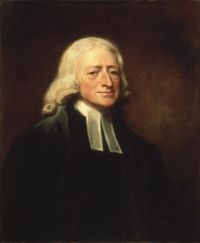
Spiritualism, a philosophical movement emphasizing the primacy of the nonmaterial over the material, asserts the existence of a nonphysical reality beyond sensory experience, including ideas such as the soul's immortality or a universal mind. Thinkers like Victor Cousin highlighted its role in elevating the human spirit through reason, while Charles Maurice Davies viewed it as a framework for interpreting life’s transitional phases and unifying various religious traditions.
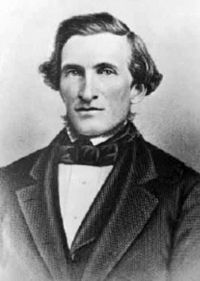
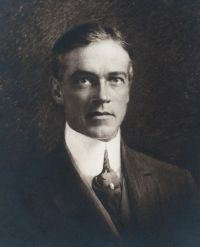
Dan King, on the other hand, criticized its dependence on psychological phenomena, yet recognized its historical parallels with ancient forms of divination. Brigham Young connected it to revelatory practices, emphasizing its spiritual and doctrinal significance. These differing viewpoints together illustrate spiritualism’s ongoing struggle between metaphysical exploration and empirical examination, linking philosophy, theology, and the pursuit of transcendent meaning.