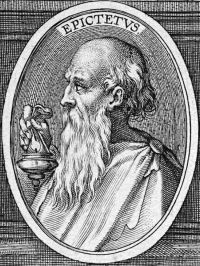
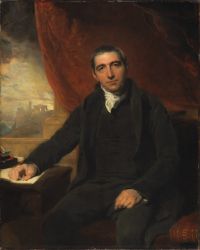
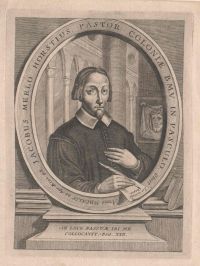
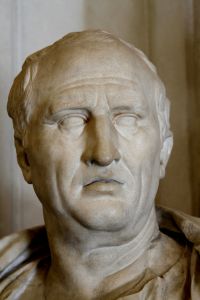
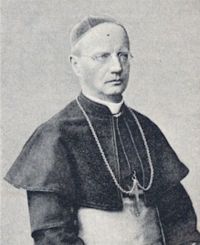
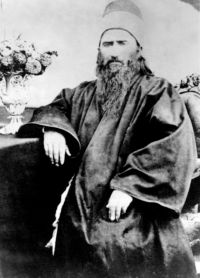
The concept of a diviner refers to an individual who claims to foresee future events or interpret supernatural signs, often acting as a mediator between the human and the divine. This theme has been examined through various perspectives, ranging from scientific analysis to spiritual contemplation. William Benjamin Carpenter tested the abilities of diviners by blindfolding them, while Epictetus situated divination within Stoic philosophy, advocating for detachment from outcomes.
W.H.R. Rivers observed cultural influences on divination practices, and Andrew Murray associated the divine with moral transformation. Edward Young’s poetry, on the other hand, portrayed divine connection as a source of joy and devotion. These differing approaches highlight the concept’s complex role in human inquiry, encompassing skepticism, ethics, and spiritual longing.
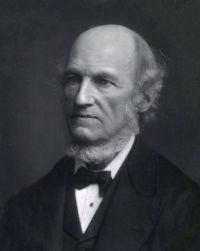 William Benjamin Carpenter,
Popular Science Monthly
(1877)
William Benjamin Carpenter,
Popular Science Monthly
(1877)