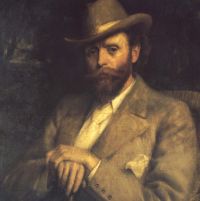
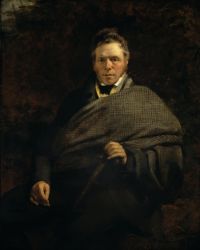
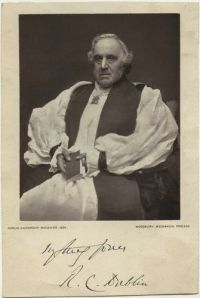
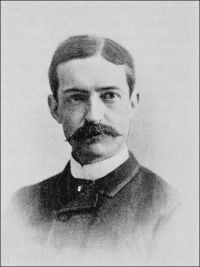
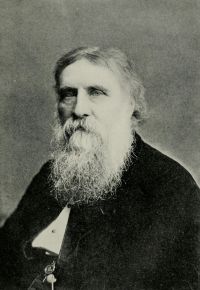
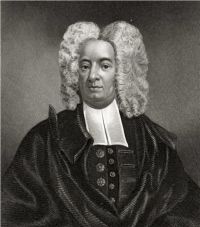
The devil, a supernatural being representing evil in various cultures and religions, has been viewed as an autonomous power, a divine element, a fallen angel, or a representation of human malevolence. Literature examines this theme from diverse perspectives: Hermann Hesse places the devil in everyday contexts, Charles Maurice Davies portrays him as a cunning force fostering discord, and Joseph Conrad presents him as a subtle expression of avarice and foolishness.
Origen’s theological viewpoint describes the devil as a defiant angel leading others astray. These depictions, ranging from myth, religious doctrine, and psychological imagery, together highlight the devil’s function as a complex emblem of moral and existential struggle, reflecting humanity’s ongoing confrontation with the sources and forms of evil.
 Hermann Hesse,
Demian
(1923)
Hermann Hesse,
Demian
(1923)