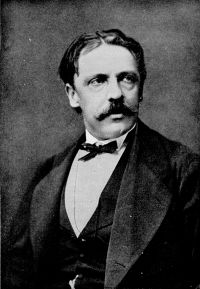
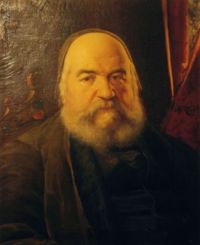
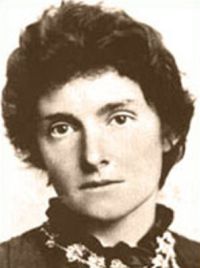
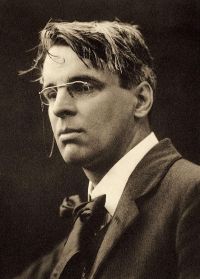
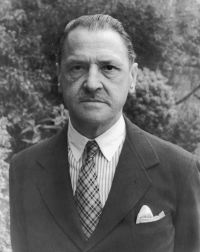
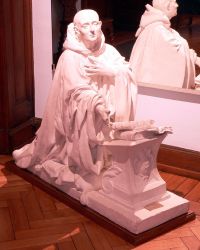
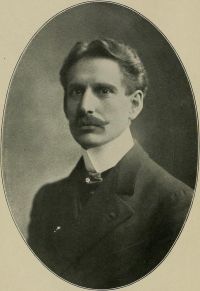
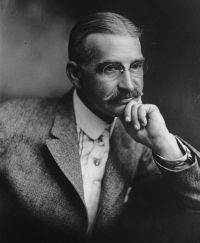
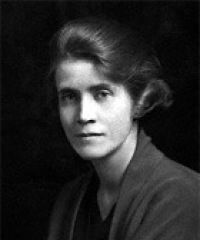
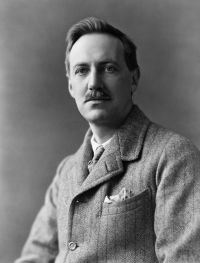
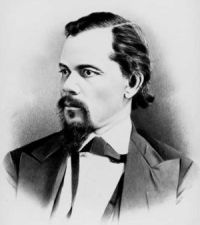
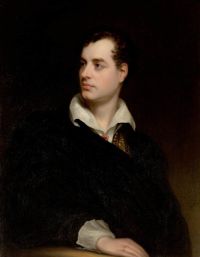
Magic, broadly defined, encompasses rituals and beliefs aimed at influencing natural or supernatural forces, often straddling the boundaries between religion, science, and the occult. From ancient Mesopotamian incantations to medieval European witch trials, its connotations have shifted between reverence and suspicion. Authors like Viktor Rydberg framed magic as a gateway to transcendent knowledge, while Walter De la Mare emphasized its poetic resonance in evoking hidden truths.
Éliphas Lévi, in contrast, positioned magic as a historical force intertwined with human curiosity about nature’s mysteries. These varied perspectives—from mystical inquiry to literary metaphor—reveal magic as a dynamic lens through which humanity navigates the interplay of the visible and the unseen, reflecting both cultural anxieties and the enduring fascination with the unknown.
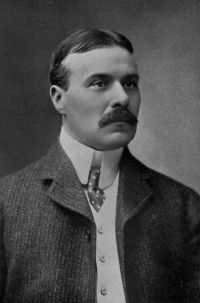 Robert William Chambers,
The Mystery of Choice
(1897)
Robert William Chambers,
The Mystery of Choice
(1897)