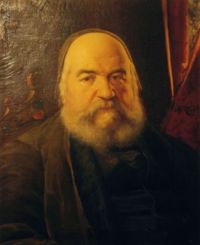
Éliphas Lévi

Éliphas Lévi

Summary

Portrait of Éliphas Lévi Éliphas Lévi The history of magic (1922)

The genius of China is the dragon of the Hesperides—which defends the golden apples in the garden of science. Their human type of divinity, instead of conquering the dragon, like Cadmus, cowers fascinated and magnetised by the monster who flashes before it a changing mirage of its scales. Mystery alone is alive in China, science is in a state of lethargy, or at least is in a deep sleep and speaks only in dream.
Source: Gutenberg

Portrait of Éliphas Lévi Éliphas Lévi The history of magic (1922)

The ecstasy of the poet is controlled by the indifference of the prosaic multitude, and every enthusiast who is rejected by general good sense is a fool and not a genius. Do not count the great artists as bondsmen of the ignorant crowd, for it is the crowd which imparts to their talent the balance of reason.
Light is the equilibrium between shadow and brightness. Motion is the equilibrium between inertia and activity. Authority is the equilibrium between liberty and power. Wisdom is equilibrium in thought; virtue is equilibrium in the affections; beauty is equilibrium in form.
Source: Gutenberg

Portrait of Éliphas Lévi Éliphas Lévi The history of magic (1922)

It is not he who will mock at the new-born God weeping in the manger or the wounded victim of Calvary. He repeats nevertheless, from the bottom of his heart, like the sages of Israel and the faithful believers of Islam: There is no God but God. For the initiates of true science, this signifies: There is but one Being, and this is Being. But all that is expedient and touching in beliefs, but the splendour of rituals, the pageant of divine creations, the grace of prayers, the magic of heavenly hopes—are not these the radiance of moral life in all its youth and beauty?
Source: Gutenberg

Get perspective with Kwize: daily news enlightened by great literature