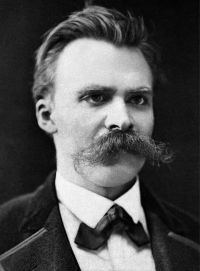
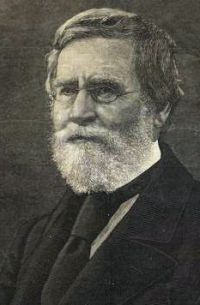
Equilibrium denotes a state in dynamic systems where opposing forces or changes either neutralize one another or are absent, ensuring stability. This concept has been examined across disciplines: Thomas Mann described it as a valued personal balance, while Herbert Spencer analyzed its vulnerability in physical systems.
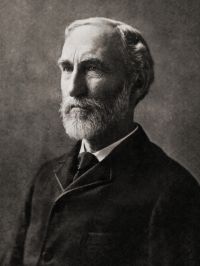
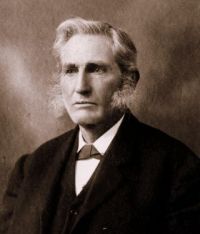
Émile Cazelles connected it to biological adaptation, and Josiah Gibbs differentiated between passive and active equilibria in thermodynamics. Emanuel Swedenborg extended it to cosmic forces, highlighting the duality of action and reaction. These diverse viewpoints reveal equilibrium as a fundamental principle linking physics, biology, and philosophy, demonstrating its widespread role in preserving order amidst change.
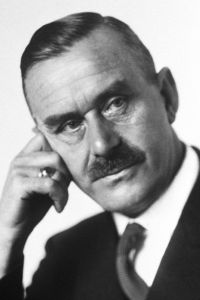 Thomas Mann,
Buddenbrooks, volume 2 of 2
(1924)
Thomas Mann,
Buddenbrooks, volume 2 of 2
(1924)