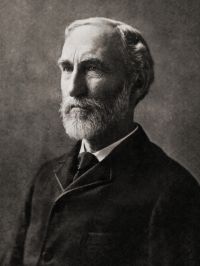
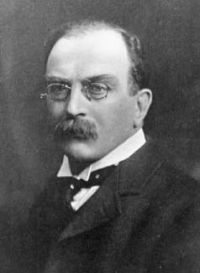
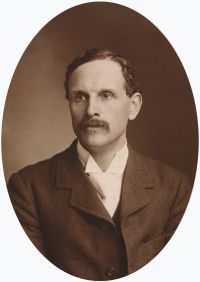
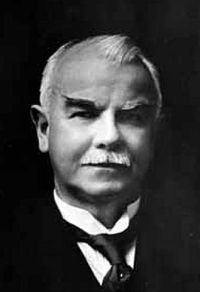
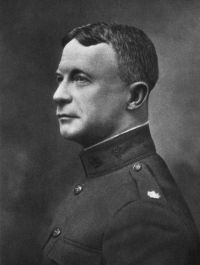
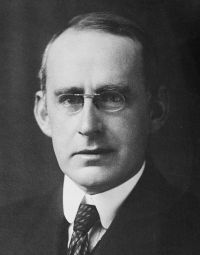
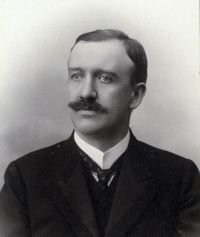
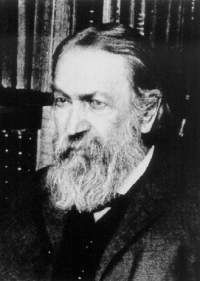
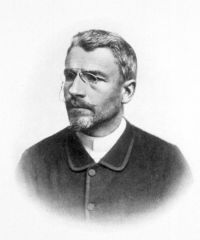
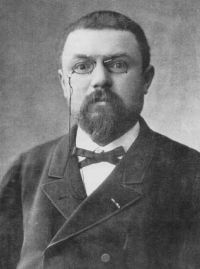
Entropy, a fundamental concept in thermodynamics, quantifies the direction of spontaneous processes and the distribution of energy within physical systems. Introduced by Rudolf Clausius, it forms the basis of the second law, which states that isolated systems tend toward thermodynamic equilibrium, reaching a maximum in terms of disorder. Scientists such as Josiah Willard Gibbs viewed entropy as a factor in determining equilibrium, connecting it to the minimization of energy, while Yevgeny Zamyatin poetically contrasted entropy's tendency toward stability with energy's capacity for transformation.
Joseph Frederic Klein highlighted entropy's role in measuring irreversibility, pointing out its increase as a sign of lost usable energy. These viewpoints, ranging from scientific analysis to philosophical imagery, together emphasize entropy's dual nature—as both a measurable physical quantity and a representation of universal tendencies toward balance and decline.