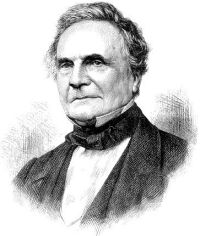
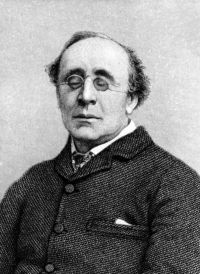
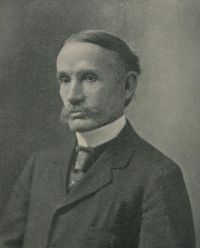
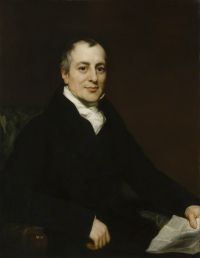
The concept of "cost" encompasses the economic and practical expenses involved in producing, acquiring, or maintaining goods, services, or assets. Economists and theorists have long wrestled with its complex nature, examining not only financial outlays but also implicit aspects like risk, labor, and time. John Stuart Mill associated cost with the changing value of money, while Henry Earle Riggs focused on factors such as initial investment and risk adjustments in property appraisal.
Charles Babbage broadened the idea, pointing out that cost involves the buyer’s responsibility for ensuring quality, and Charles Francis Bastable contended that value is determined by the highest production expense in competitive markets. These viewpoints highlight cost as both a quantifiable measure and a dynamic influence shaping economic theory and practice. The relationship between cost and related concepts—such as value, production, and efficiency—emphasizes its crucial role in understanding economic systems.