Price

Definition and stakes

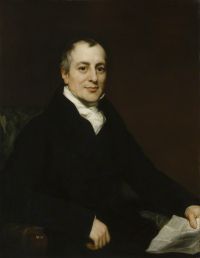
Portrait of John Stuart Mill John Stuart Mill,  Principles of Political Economy (1871)

“ The buyers must be supposed as studious to buy cheap, as the sellers to sell dear. The values and prices, therefore, to which our conclusions apply, are mercantile values and prices; such prices as are quoted in price-currents; prices in the wholesale markets, in which buying as well as selling is a matter of business; in which the buyers take pains to know, and generally do know, the lowest price at which an article of a given quality can be obtained; and in which, therefore, the axiom is true, that there cannot be for the same article, of the same quality, two prices in the same market. ”
Source: Wikisource

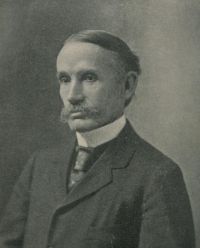
Portrait of Arthur Latham Perry Arthur Latham Perry,  Principles of Political Economy

“ When any other valuable is sold against money, the amount of money it buys is called its Price: Price is a specific and restricted term in Economics. Since we shall study Money thoroughly in a later chapter, and there explain the origin and extent of its functions throughout, it is only in order to remark here, that it is for convenience' sake, that is, to make easy the comparison of valuables one with another, that Value in commerce is commonly reduced to Price. Money becomes a sort of measure, by means of which to compare all other valuables with each other. ”
Source: Gutenberg

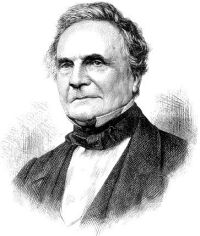
Portrait of William Stanley Jevons William Stanley Jevons,  Political economy

“ Now when money is used, the quantity of money given or received for a certain quantity of goods is called the price of that goods, so that the price is the value of goods stated in money. But as money when once introduced is used in almost every act of exchange, a further great advantage arises. We are able to compare the value of any commodity with that of any other commodity. ”
Source: Gutenberg

Get perspective with Kwize: daily news enlightened by great literature