Currency

Definition and stakes

Chester Arthur Phillips,  Readings in Money and Banking

“ The Sources of Currency Supply.—It is, then, clear that the larger part of the circulating medium of society is not money; that not all of the money that there is is bullion money; and that not even all of the bullion money need be ultimate money—redemption money of the highest rank. The sources of currency in society are various—some of it bullion, with a cost of production limit upon its supply, some of it government paper, substantially free of cost, some of it banking credit with certain peculiar and appropriate costs attending its issue. ”
Source: Gutenberg

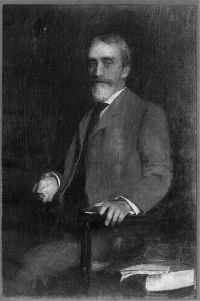
Portrait of John Ruskin John Ruskin,  Unto This Last, and Other Essays on Political Economy

“ The currency-holders as a class regulate the demand for labour, and the store-holders the laws of it; the currency-holders determine what shall be produced, and the store-holders the conditions of its production. Farther, as true currency represents by definition debts which will be paid, it represents either the debtor's wealth, or his ability and willingness; that is to say, either wealth existing in his hands transferred to him by the creditor, or wealth which, as he is at some time surely to return it, he is either increasing, or, if diminishing, has the will and strength to reproduce. ”
Source: Gutenberg

Various,  Blackwood's Edinburgh Magazine…

“ Can there be a more convincing proof that the currency of the country has been unduly drained away, and that the present monetary system, which forbids any extension of it in paper when the specie is abstracted, is based on a wrong foundation? Nor is it surprising that the currency should be straitened when it is notorious that every packet which goes out to America takes out vast sums to that continent to pay for the immense quantities of grain which are brought in. ”
Source: Gutenberg

Get perspective with Kwize: daily news enlightened by great literature