Ticket

Definition and stakes

Joseph Henry Beale, Jr.,  Tickets (1887)

“ A railroad ticket, properly so called, is a contract obliging the railroad company to receive the bearer as a passenger. But when once the bearer is so received the obligation is satisfied, and all further rights of the passenger are secured by the custom of carriers, not by the ticket. The conductor should, therefore, cancel the ticket as soon as it is presented to him; and from that moment the ticket becomes (like the coupon on a theatre ticket) a mere voucher, held by the passenger for the convenience, chiefly, of the conductor, to show that the passenger is rightfully on the cars. ”
Source: Wikisource

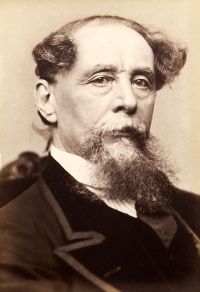
Portrait of Charles Dickens Charles Dickens,  The Uncommercial Traveller

“ Within this little window, like a pay-box at a theatre, a neat and brisk young woman presided to take money and issue tickets. Every one coming in must take a ticket. Either the fourpence-halfpenny ticket for the upper room (the most popular ticket, I think) , or a penny ticket for a bowl of soup, or as many penny tickets as he or she choose to buy. ”
Source: Gutenberg

Joseph Henry Beale, Jr.,  Tickets (1887)

“ A ticket is a formal document, valid and interpretable by some well-known business custom, requiring the party issuing it to do something, or to give something, not money, to the bearer at or within a certain time. It secures a future right to the bearer; thus differing from a receipt or voucher, which merely proves a right already secured.
The tickets in general use fall into four classes. By far the most important class consists of tickets which entitle the bearer to the service of the maker as carrier.
”
Source: Wikisource

Get perspective with Kwize: daily news enlightened by great literature