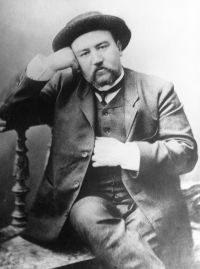
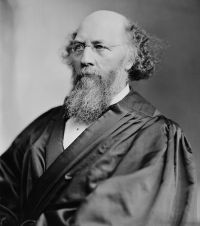
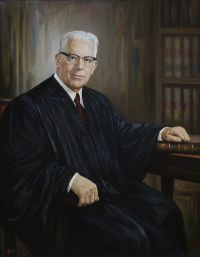
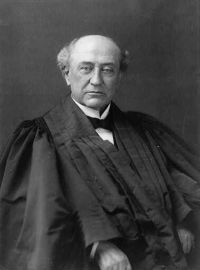
A coupon, typically a detachable voucher or certificate, functions as a medium of exchange, legal evidence, or contractual obligation, depending on the context. Authors such as Paul D. Bunker investigated its practical application in post exchanges, focusing on fraud prevention and administrative oversight, while Joseph Henry Beale, Jr. characterized it as a voucher demonstrating an established right rather than a future agreement.
Legal experts like Edward Douglass White and John Marshall Harlan analyzed coupons as distinct instruments linked to bonds, underscoring their unique claims to interest. Meanwhile, Stephen Leacock infused the concept with irony, critiquing the illusion of opportunity associated with mailed coupons. These diverse viewpoints illustrate the coupon as both a practical instrument and a subject of legal and economic complexity.