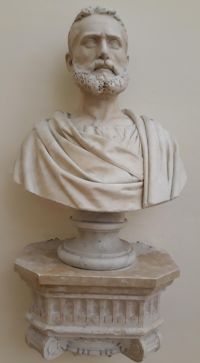
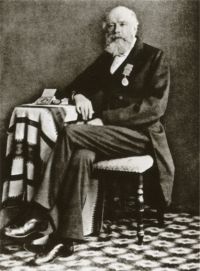
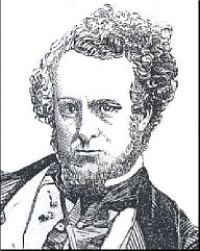
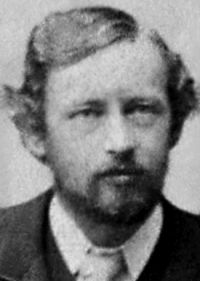
A square, typically an open urban space enclosed by structures and often located at the crossing of major roads, functions as a center for community life, politics, and cultural expression. From the symbolic Red Square in Moscow to the communal alun-alun in Indonesia, such spaces have historically influenced societal interactions. Authors like Edwin Franklin Roberts emphasized their architectural splendor, while mathematicians such as Andrew H.
Frost examined their numerical arrangements in magic squares. James Fenimore Cooper underscored their practical, non-geometric nature, and Alexander Walker discussed their aesthetic minimalism. These diverse viewpoints highlight squares as both tangible locations and conceptual ideas, embodying cultural, political, and mathematical aspects.