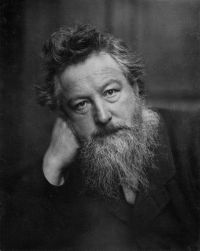
Execution, defined as homicide carried out as capital punishment, has long been a central theme in literary explorations of justice, morality, and human psychology. Authors such as Friedrich Nietzsche questioned the emotional impact of state-sanctioned killing, contrasting it with the disorder of murder, while William Morris associated execution with the rigid mechanisms of the law.
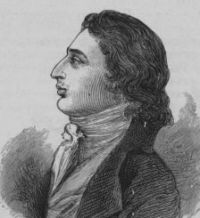
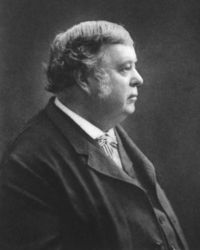
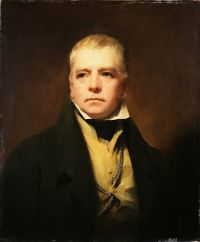
Walter Scott challenged the legitimacy of judicial power in imposing the death penalty, and Georg Brandes debated its moral parallels to ancient sacrificial rites. These diverse viewpoints, ranging from philosophical analysis to legal examination, reveal execution as a reflection of societal values and the ongoing conflict between retribution and compassion.
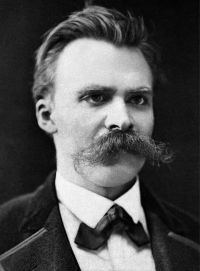 Friedrich Wilhelm Nietzsche,
Human, All Too Human: A Book for Free Spirits
Friedrich Wilhelm Nietzsche,
Human, All Too Human: A Book for Free Spirits