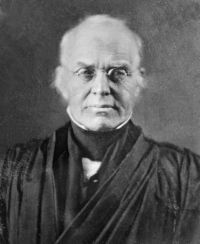
James Williams

Biographical details

James Williams,  1911 Encyclopædia Britannica (1911)

“ The influence of Beccaria in rendering the use of torture obsolete was undoubtedly greater than that of any other legal reformer. The great point that he makes is the unfair incidence of torture, as minds and bodies differ in strength. Moreover, it is, says he, to confound all relations to expect that a man should be both accuser and accused, and that pain should be the test of truth, as though truth resided in the muscles and fibres of a wretch under torture. The result of the torture is simply a matter of calculation. ”
Source: Wikisource

James Williams,  Encyclopædia Britannica, Ninth Edition (1888)

“ The rules as to the torture of slaves were numerous and precise. It was a maxim of Roman law that torture of slaves was the most efficacious means of obtaining truth. [30] They could be tortured either as accused or as witnesses, but against their masters only in accusations of treason, adultery, frauds on the revenue, coining, and similar offences (which were regarded as a species of treason) , attempts by a husband or wife on the life of the other, and in cases where a master had bought a slave for the special reason that he should not give evidence against him. ”
Source: Wikisource

James Williams,  1911 Encyclopædia Britannica (1911)

“ Here appears the striking difference between the binding force of a statute of the United Kingdom and an act passed by Congress or a state legislature. In the United Kingdom parliament is supreme; in the United States an act is only of authority if it is in accordance with the constitution. The courts may declare an act void if it contravene the constitution of the United States or of a state, so that practically the Supreme Court of the United States is the ultimate legislative authority. ”
Source: Wikisource

Get perspective with Kwize: daily news enlightened by great literature