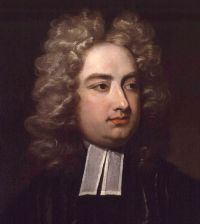
An estate refers to a large tract of land owned by a single entity, historically producing revenue through agriculture, rental income, or the exploitation of natural resources. In Britain, it included manor houses, farmland, and woodland, serving as economic and social centers, such as Blenheim Palace. Authors like Daniel Defoe contrasted estates with the dynamism of commerce, while Jonathan Swift underscored their susceptibility to economic fluctuations.
Francis Bacon stressed the difficulties in evaluating an estate's real value, and Ralph Waldo Emerson observed its perceived permanence in contrast to fleeting wealth. These viewpoints highlight the estate as both a physical asset and a marker of prestige, transitioning from feudal economic systems to contemporary associations with opulence and land ownership.
 Ralph Waldo Emerson,
Essays: First Series — Circles
(1841)
Ralph Waldo Emerson,
Essays: First Series — Circles
(1841)