Land ownership

Definition and stakes

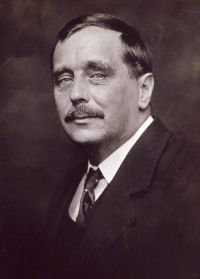
Peter A. Speek A Stake in the Land

Second, mere land ownership is only a part, though a vital part, of the problem. Many other important things have to be considered.
If a man has land, but lacks capital or credit, he is unable to make economic use of his land. If he has both land and capital, or credit, or in other terms purchasing power, but lacks access to sources of supply in which to buy seeds, breeding stock, and implements, he still is unable to make use of his land. If he has at hand all the needed implements, seeds, and stock, but lacks knowledge and experience in farming, he might entirely fail in his enterprise.
Source: Gutenberg

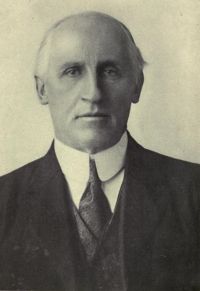
Portrait of George E. Waring George E. Waring Village Improvements and Farm Villages

In England, where the ownership of land carries with it a certain social dignity, and where the mere possession of money has a less marked influence in this direction, there is no doubt that the title-deeds to broad acres constitute a certain sort of patent of nobility. In this country, where land is plenty and cheap and where large fortunes are rare, a farmer gets consideration less for the amount of land that he himself owns, than for the sum-total of the mortgages which he holds upon his neighbors' land.
Source: Gutenberg

Get perspective with Kwize: daily news enlightened by great literature