Revenue

Definition and stakes

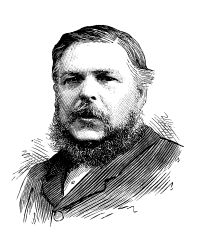
M. Garnier An Inquiry Into the Nature and Causes of the Wealth of Nations

Wages, profit, and rent, are the three original sources of all revenue, as well as of all exchangeable value. All other revenue is ultimately derived from some one or other of these.
Whoever derives his revenue from a fund which is his own, must draw it either from his labour, from his stock, or from his land. The revenue derived from labour is called wages; that derived from stock, by the person who manages or employs it, is called profit; that derived from it by the person who does not employ it himself, but lends it to another, is called the interest or the use of money.
Source: Gutenberg

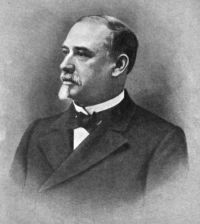
Portrait of Harriet Martineau Harriet Martineau Illustrations of political economy… (1834)

It is common to speak of two kinds of revenue. That which we have mentioned,—the profits of capital,—is called neat revenue; while the name of gross revenue is given to the whole return made to the capitalist; that is, his reproduced capital and his profits together make his gross revenue, and his profits alone make his neat revenue.
Source: Gutenberg

Portrait of Adam Smith Adam Smith The Wealth of Nations (1776)

The gross revenue of the society, the annual produce of their land and labour, is increased by the whole value which the labour of those workmen adds to the materials upon which they are employed, and their neat revenue by what remains of this value, after deducting what is necessary for supporting the tools and instruments of their trade.
Source: Gutenberg

Get perspective with Kwize: daily news enlightened by great literature