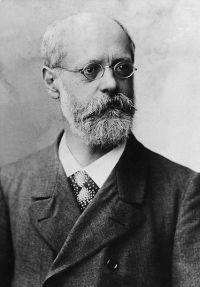
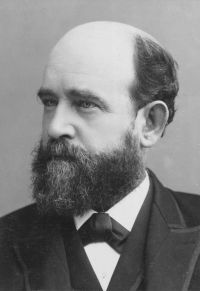
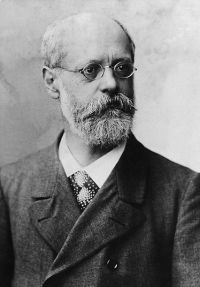
Capitalism, an economic system based on private ownership of the means of production and profit-oriented goals, has influenced modern societies through its mechanisms of wealth accumulation and wage-based employment. Thinkers such as Karl Marx analyzed its exploitation of labor, focusing on the extraction of surplus value, while Eugene V. Debs emphasized the control capitalists exert over jobs and tools, portraying workers' reliance as a systemic issue.
Friedrich Adolf Sorge challenged the legitimacy of capital's supremacy over labor, and even unnamed critics differentiated between industrialists and genuine capitalists. These viewpoints together highlight capitalism's dual function as both a catalyst for innovation and a system that perpetuates class divisions, demonstrating its lasting influence on economic and social frameworks.