The concept of a legislator refers to an individual responsible for drafting, amending, or interpreting laws, representing the convergence of governance, ethics, and societal order. From Aristotle’s philosophical reflections on civic duty to Thomas Carlyle’s critique of moral failure in legislative roles, writers have long explored the legislator’s dual function as both a practical problem-solver and a moral guide.
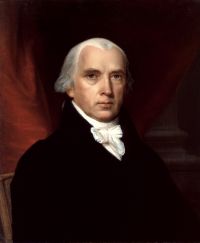
John Gerard compared legislators to judges, highlighting their duty to apply principles justly, while James Madison stressed the importance of knowledge in legislative effectiveness. Frédéric Bastiat, on the other hand, questioned the idea of legislators as lone creators of society, instead portraying their role as a cooperative effort to address shared human needs. These viewpoints together illustrate the legislator as a figure guided by expertise, integrity, and the ongoing balance between personal initiative and public responsibility.