The concept of "representative" refers to a role or position that involves standing in for a physical or moral entity, typically within governance or legal settings. Authors such as John Stuart Mill examined its functions, emphasizing the interaction between public opinion and representative institutions, while Elihu Root underscored its function in expressing shared liberty.
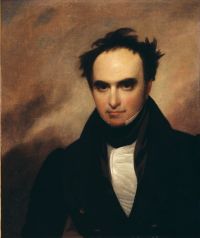
Daniel Webster viewed representatives as essential to democratic rule, and William Jennings Bryan contrasted the qualities of the people and their delegates. These viewpoints together highlight the conflict between collective desire and individual discernment, portraying representation as both a tool of democracy and a bridge for societal values.
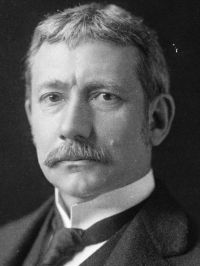 Elihu Root,
Latin America and the United States
Elihu Root,
Latin America and the United States