Conciliation, a voluntary and non-binding alternative method of resolving disputes, involves a neutral third party helping conflicting sides reach a mutually acceptable agreement. Unlike litigation, it emphasizes confidentiality, adaptability, and communication to reduce tensions and promote understanding. Authors such as Thomas Davis described conciliation as a moral necessity, claiming its role as "fixed and everlasting," while Vishnu Sharma, in The Panchatantra, associated it with wisdom, warning against the pointlessness of severity.
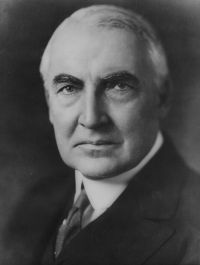
Warren G. Harding highlighted its function in encouraging reasonableness, calling for "fair and recognized tribunals" to settle disagreements. These differing viewpoints illustrate conciliation’s versatility across political, social, and ethical settings, demonstrating its lasting significance as a means of bridging conflict and achieving compromise.