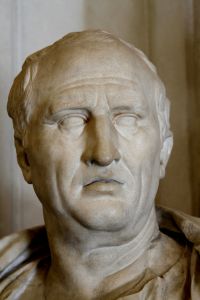
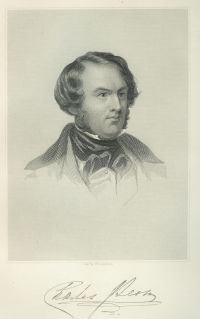
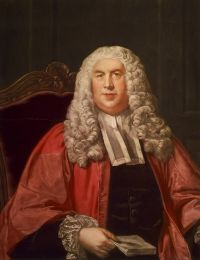
The concept of "charge" includes duties, responsibilities, and legal accusations, highlighting its diverse role in moral, social, and judicial settings. Authors such as Matthew Henry focused on its spiritual aspect, portraying it as a divine duty to maintain righteousness, while Marcus Tullius Cicero examined its legal intricacies, stressing the importance of evidence in allegations.
Sydney Smith differentiated between baseless accusations and the ethical burden of those who make them, and Dom’s poetic insight emphasized its function in power relations. These differing perspectives reveal "charge" as a framework for understanding authority, accountability, and human connections, demonstrating its lasting significance across various fields.