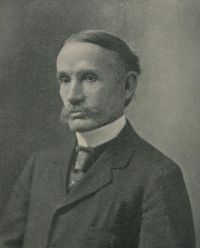
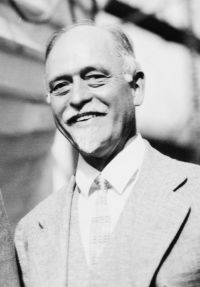
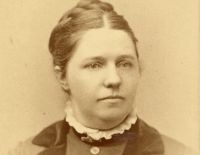
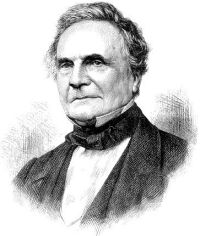
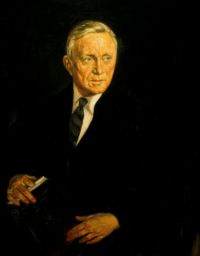
The concept of "costs" includes the outlays and sacrifices involved in production, exchange, and resource distribution, functioning as a fundamental element in economic and managerial discussions. Economists such as John Bates Clark and Roy B. Kester examined costs through the frameworks of production theory and accounting, differentiating between direct and indirect expenditures, while Benjamin M. Anderson evaluated the connection between marginal utility and cost.
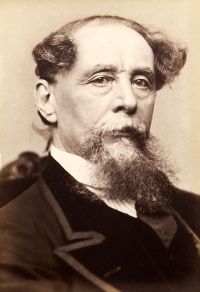
At the same time, Charles Dickens portrayed costs metaphorically as oppressive forces influencing human experience. These diverse viewpoints, ranging from numerical analysis to literary metaphor, demonstrate costs as both a quantifiable economic fact and a symbolic embodiment of effort and consequence. The theme thus connects empirical precision with humanistic contemplation, showing how the idea of cost extends across practical and abstract realms.