Wages

Definition and stakes

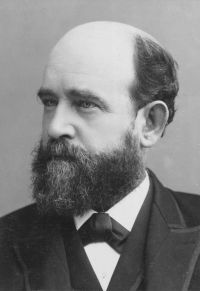
Portrait of Henry George Henry George,  Progress and Poverty, Volumes I and II

“ I dwell on this obvious fact that labor always precedes wages, because it is all-important to an understanding of the more complicated phenomena of wages that it should be kept in mind. And obvious as it is, as I have put it, the plausibility of the proposition that wages are drawn from capital—a proposition that is made the basis for such important and far-reaching deductions—comes in the first instance from a statement that ignores and leads the attention away from this truth. ”
Source: Gutenberg

Portrait of Henry George Henry George,  Progress and Poverty (George)… (1879)

“ Wages paid by an employer Production is always the mother of wages. Without production, wages would not and could not be. It is from the produce of labour, not from the advances of capital that wages come. Wherever we analyse the facts this will be found to be true. For labour always precedes wages. This is as universally true of wages received by the labourer from an employer as it is of wages taken directly by the labourer who is his own employer. In the one class of cases as in the other, reward is conditioned upon exertion. ”
Source: Wikisource

Portrait of Henry George Henry George,  Progress and Poverty, Volumes I and II

“ Wages, which include all returns received from labor, not only vary with the differing powers of individuals, but, as the organization of society becomes elaborate, vary largely as between occupations. Nevertheless, there is a certain general relation between all wages, so that we express a clear and well-understood idea when we say that wages are higher or lower in one time or place than in another. In their degrees, wages rise and fall in obedience to a common law. ”
Source: Gutenberg

Get perspective with Kwize: daily news enlightened by great literature