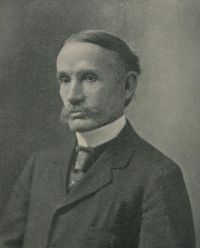
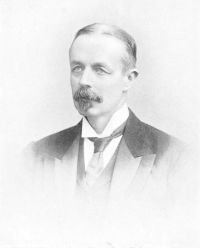
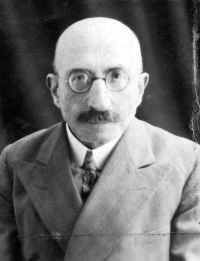
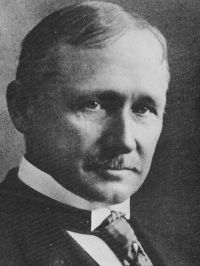
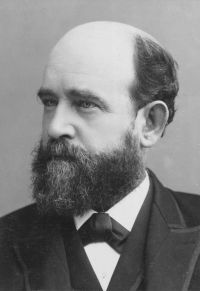
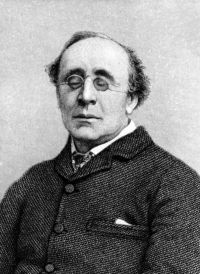
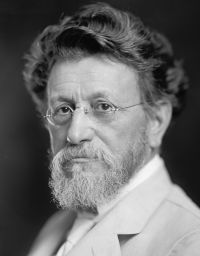
Productivity, in linguistics, refers to the frequency with which native speakers use specific grammatical processes, especially in word formation, to create new expressions. This concept contrasts highly frequent processes, such as English’s -ed verb endings or -(e)s plurals, with less common ones, like the archaic -en plurals. Authors such as Karl Marx and Frederick Winslow Taylor examined productivity from an economic perspective, analyzing how labor efficiency, technological innovation, and industrial organization influence output and value.
Meanwhile, linguists emphasize how productivity changes over time, as seen in the regularization of verb forms or the resurgence of once-rare morphological patterns. The interaction between linguistic and economic perspectives reveals productivity as both a dynamic linguistic phenomenon and a fundamental element of material progress.
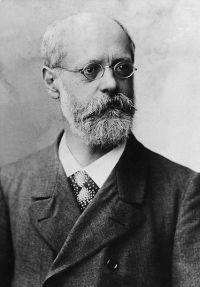 Karl Johann Kautsky,
The Social Revolution
(1902)
Karl Johann Kautsky,
The Social Revolution
(1902)