Summary

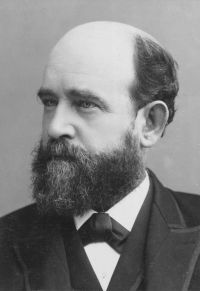
Portrait of Henry George Henry George Progress and Poverty (George)… (1879)

If we now suppose population still increasing but that the difference between the poorest land in use and the land next below that in quality is so great that it cannot be compensated by the increased power of labour that comes with the increased population - the minimum return to labour will be reduced, and with the rise of rents wages will fall, not only as a proportion, but as a quantity. But unless the descent in the quality of land is far more precipitous than we can well imagine, or than, I think, ever exists, the average production will still be increased.
Source: Wikisource

Portrait of Henry George Henry George Progress and Poverty (George)… (1879)

Let me ask the reader to bear in mind that the possession or production of any form of wealth is virtually the possession or production of any other form of wealth for which it will exchange. The object of labour on the part of any individual is not the obtainment of wealth in one particular form, but the obtainment of wealth in all the forms that consort with his desires. Hence an improvement which effects a saving in the labour required to produce one of the things desired is tantamount to an increase in the power of producing all the other things.
Source: Wikisource

Portrait of Henry George Henry George Progress and Poverty (George)… (1879)

As has been said before, there are to be included in the improvements which increase the value of land not only the improvements which directly increase productive power, but also such improvements in government, manners and morals as indirectly increase it. Considered as material forces, the effect of all these is to increase productive power and, like improvements in the productive arts, their benefit is ultimately monopolized by the possessors of the land.
Source: Wikisource

Get perspective with Kwize: daily news enlightened by great literature