Summary

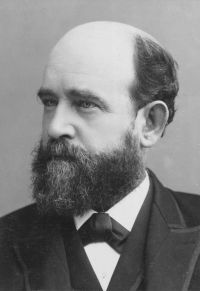
Portrait of Henry George Henry George Progress and Poverty (George)… (1879)

The hunter's wages are the game he kills; the fisherman's wages are the fish he takes. The gold washed out by the self-employing gold-digger is as much his wages as the money paid to the hired coal-miner by the purchaser of his labour; and as Adam Smith shows, the high profits of retail storekeepers are in large part wages, being the recompense of their labour and not of their capital. In short, whatever is received as the result or reward of exertion in the production of wealth is wages.
Source: Wikisource

Portrait of Henry George Henry George Progress and Poverty (George)… (1879)

Wealth is not the sole object of labour, for labour is also expended in ministering directly to desire; but it is the object and result of what we call productive labour that is, labour which gives value to material things. Nothing that nature supplies to man without his labour is wealth, nor yet does the expenditure of labour result in wealth unless there is a tangible product that has and retains the power of ministering to desire.
Since capital is wealth devoted to a certain purpose, nothing can be capital that does not fall within this definition of wealth.
Source: Wikisource

Portrait of Henry George Henry George Progress and Poverty (George)… (1879)

Exchangeability of wealth It is too narrow an understanding of production to confine it merely to the making of things. Production includes not merely the making of things, but the bringing of them to the consumer. The merchant or storekeeper is thus as truly a producer as is the manufacturer or farmer, and his stock or capital is as much devoted to production as is theirs.
Source: Wikisource

Get perspective with Kwize: daily news enlightened by great literature