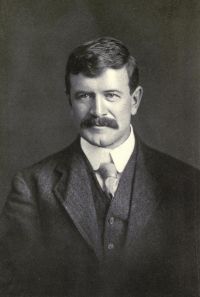
Production, the process by which labor, capital, and land combine to create goods and services, has been a central concern in economic and social thought. From Hilaire Belloc’s definition of capital as tools for future output to John Stuart Mill’s analysis of labor, land, and capital as foundational to economic activity, thinkers have explored its mechanisms and implications.
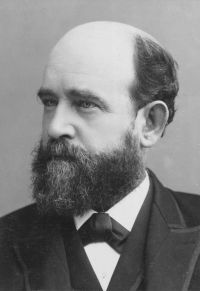
Stephen Leacock celebrated industrial expansion, while William Graham Sumner questioned the fair distribution of the benefits of production. Henry George broadened the concept to include distribution, highlighting the merchant’s role as a producer. These perspectives reveal production not merely as a technical process but as a dynamic interplay of forces shaping society, deeply connected to themes of labor, exchange, and economic structure.
 Hilaire Belloc,
The Servile State
Hilaire Belloc,
The Servile State