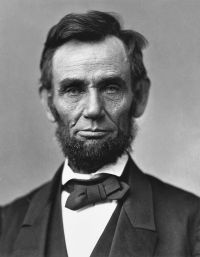
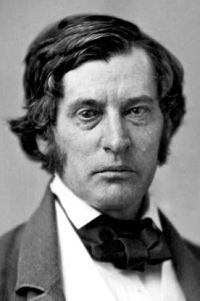
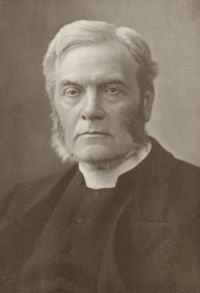
Improvement denotes the process of moving from one state to a perceived better one through deliberate action, spanning areas from personal development to societal change. Authors such as Elizabeth Rundle Charles highlighted its gradual, practical character, comparing it to a sequence of tried methods leading to innovation. Abraham Lincoln viewed it as the natural course of societies guided by equality, while Charles Sumner connected personal advancement with broader societal progress.
William Blake, however, provocatively proposed that unconventional routes might contain genius, questioning the idea of straightforward enhancement. The concept, historically tied to agricultural reform and later extended to commerce and self-improvement, embodies both hopeful aspirations and contentious truths, as illustrated by 18th-century enclosures that favored economic profit over community welfare. Thus, improvement remains a double-edged idea: a force for advancement yet a term whose advantages frequently hinge on whose interests determine what is "better."
 Elizabeth Rundle Charles,
Chronicles of the Schonberg-Cotta Family
Elizabeth Rundle Charles,
Chronicles of the Schonberg-Cotta Family