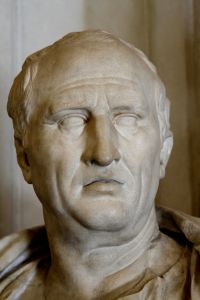
A tyrant, derived from the Ancient Greek túrannos, denotes an absolute ruler unbound by law or constitutional limits, typically exercising authority through repression. Plato denounced tyranny as the "fourth and worst disorder of a state," highlighting its absence of reason and structure, while Cicero contrasted a tyrant’s harshness with a king’s possible compassion.
Thomas Gordon described tyranny as a "melancholy farce," and Henry Hunt distinguished between contemptible despots and tyrants whose characteristics could provoke admiration. These viewpoints illustrate tyranny’s lasting role as a framework for analyzing the misuse of power and its conflict with freedom, underscoring its continued significance in political debate.