Vassal

Definition and stakes

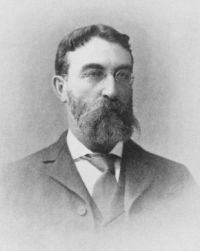
Portrait of George Burton Adams George Burton Adams,  The History of England from the Norman Conquest to the Death of John…

“ Every member of the aristocracy of Europe and almost every king was a vassal. A man passed from the classes that were looked down upon, the peasantry and the bourgeoisie, into the nobility by becoming a vassal. The English kings had been vassals since feudalism had existed in England, though not for the kingdom, and only a few years before Richard had made even that a fief of the empire. ”
Source: Gutenberg

John Bowling,  The Last of the Vikings

“ I have not looked upon the face of any man, Saxon or Norman, that I fear, and I will be vassal to no man. Leave me alone, with the handful of Saxons who follow me. Thou hast my lands and my home—take them as the spoils of war, but be content. There is land enough, and thou mayest leave us in peace. We will not come nigh thee, but be content to till a little land for sustenance; and we may be of service as thy allies. Probably many of the serfs will be willing to return to their lands and to vassalage; and all who are willing may do so freely. ”
Source: Gutenberg

Oscar Chrisman,  The Historical Child

“ The constituent elements of feudalism were those referring to land and its tenure and to the relations which existed between the protector and the one protected, or, vassalage, beneficies, and immunities.
The term vassal was originally applied to servants not free, but it gradually grew to mean a free man and a vassal was of the same condition as his lord, so that the term held an honorable meaning. The relation of the vassal to the lord was that of homage and fealty. There were two parts to the ceremony of vassalage.
”
Source: Gutenberg

Get perspective with Kwize: daily news enlightened by great literature