Duke of Bavaria

Definition and stakes

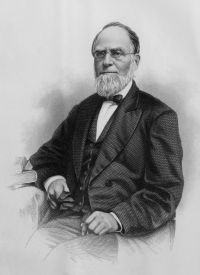
Portrait of John S. C. Abbott John S. C. Abbott The Empire of Austria; Its Rise and Present Power

The Duke of Bavaria was one of the most powerful princes of the German empire. He had been the rival of Count Wallenstein, and was now exceedingly annoyed by the arrogance of this haughty military chief. Wallenstein was the emperor's right arm of strength. Inflamed by as intense an ambition as ever burned in a human bosom, every thought and energy was devoted to self-aggrandizement. He had been educated a Protestant, but abandoned those views for the Catholic faith which opened a more alluring field to ambition.
Source: Gutenberg

Portrait of Wilhelm Hauff Wilhelm Hauff The Banished: A Swabian Historical Tale

But when the Duke of Bavaria creates you a knight on the field of battle, for carrying desolation through our fields, when he decorates the neck of Albert von Sturmfeder with the chain of honour, for having been the foremost in crushing Würtemberg's citizens, may the joy of your thoughts not be troubled then, by having broken the heart of one so true to you--of one who loved you so tenderly!
Source: Gutenberg

Portrait of John S. C. Abbott John S. C. Abbott The Empire of Austria; Its Rise and Present Power

Proceeding with great caution he first secured, by diplomatic skill, the non-intervention of France and Russia. England was too much engaged in the war of the American Revolution to interfere. He raised an army of eighty thousand men to crush any opposition, and then informed the Duke of Bavaria that he must exchange his dominions for the Austrian Netherlands. He requested the duke to give him an answer in eight days, but declared peremptorily that in case he manifested any reluctance, the {495} emperor would be under the painful necessity of compelling him to make the exchange.
Source: Gutenberg

Get perspective with Kwize: daily news enlightened by great literature