Summary

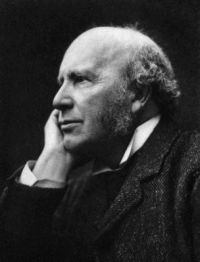
Portrait of Thomas Hodgkin Thomas Hodgkin The Life of Charlemagne (Charles the Great…

Such a monarchy even now would be the greatest power in Europe. In the sixth century, with Spain weakened by the estrangement between Arians and Catholics, with Italy torn by strife between the Empire and its barbarian occupants, with Britain still in utter chaos, nibbled at but not devoured by her Anglo-Saxon invaders, the kingdom of the Franks when united and at peace within itself, was the strongest power in Europe, with the two doubtful exceptions of the kingdom of the savage Avars and the tottering fabric of the Roman Empire.
Source: Gutenberg

Portrait of Thomas Hodgkin Thomas Hodgkin The Life of Charlemagne (Charles the Great…

Originally raised to the dignity of mayor of the palace by something like a vote of the Frankish nobles, he used his power, when he felt himself settled in his seat, in a spirit of strenuous hostility to the aristocracy, both spiritual and temporal. That it was absolutely necessary in the interest of the kingdom that some stand should be made against the increasing pretensions of the counts and bishops there can be little doubt, but how far Ebroin acted in the interests of king and kingdom, and how far in those of his own avarice and ambition, it is now hopeless to determine.
Source: Gutenberg

Portrait of Thomas Hodgkin Thomas Hodgkin The Life of Charlemagne (Charles the Great…

We see a grasping and turbulent aristocracy, made up of courtiers and ecclesiastics, who are determined to keep what they have got from the crown, and to whom both the lawful and the lawless acts of the prime minister on behalf of his impoverished master render that minister equally odious. The aristocracy bide their time. When the army is assembled in the field they appeal to the old Teutonic spirit of almost democratic independence, and slay their enemy in defiance of the king’s authority.
Source: Gutenberg

Get perspective with Kwize: daily news enlightened by great literature